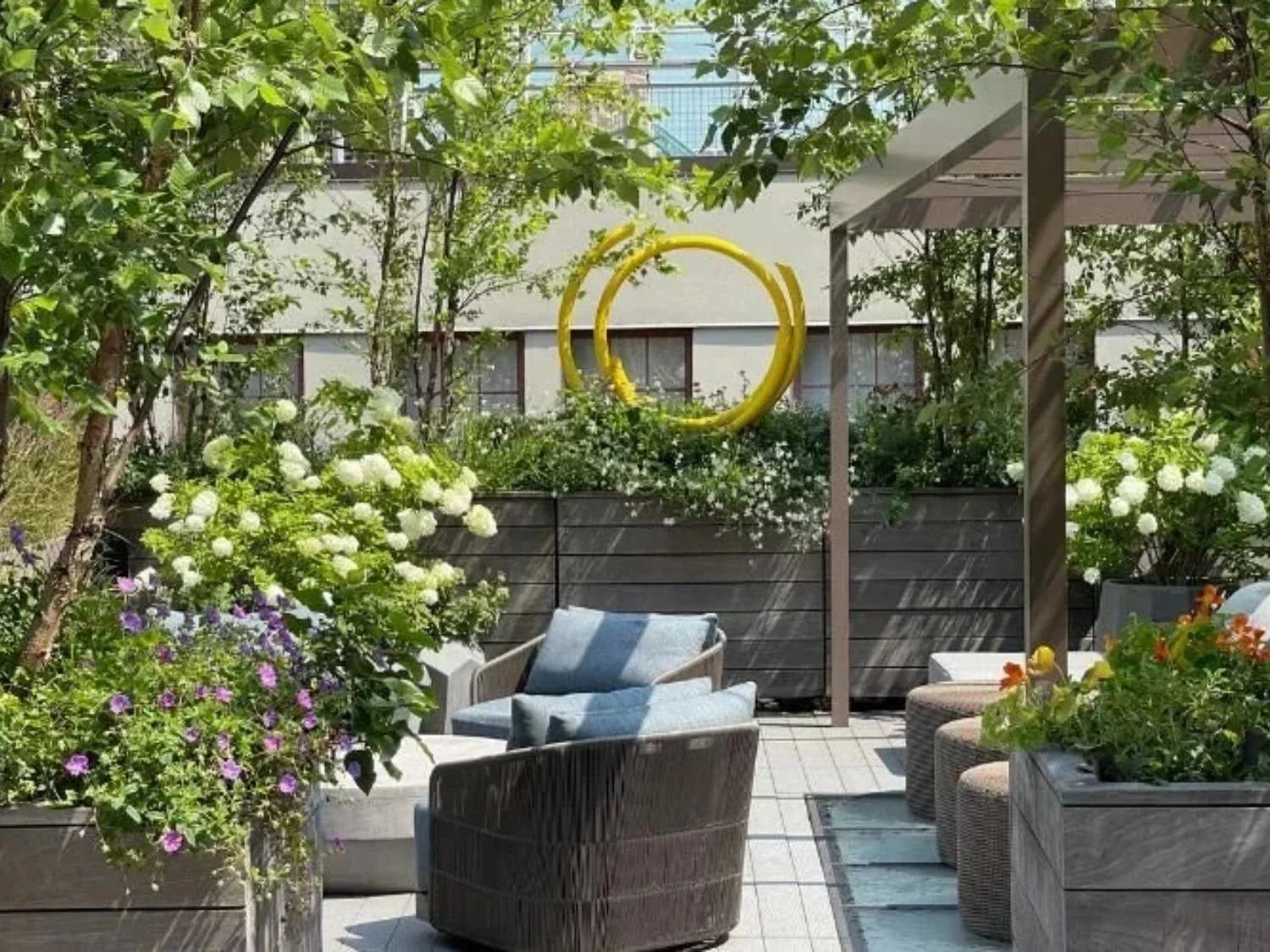
Maximize a small rooftop garden with simple layouts, perimeter planting, vertical greenery, multifunctional furniture, and clear circulation.
Read More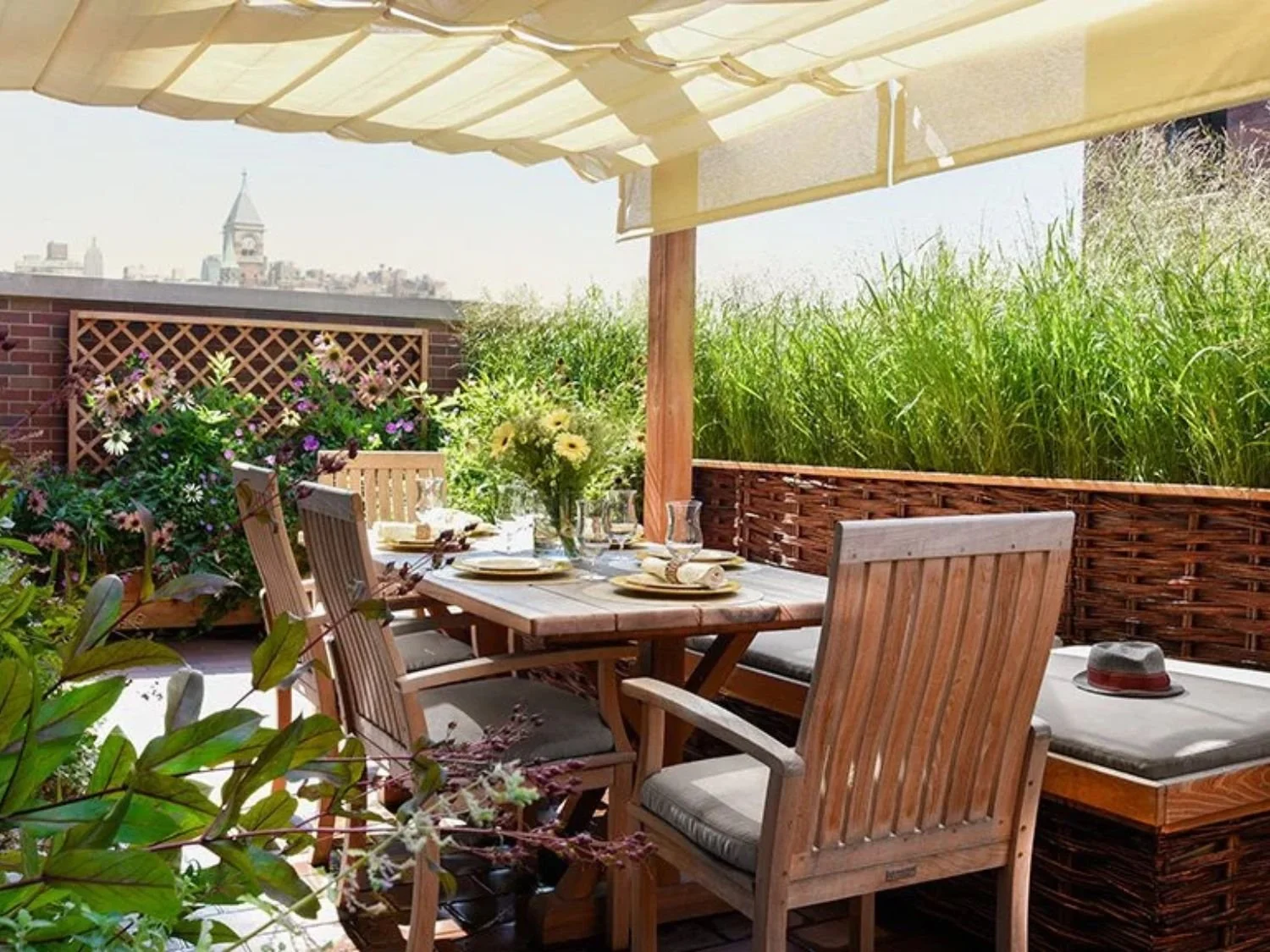
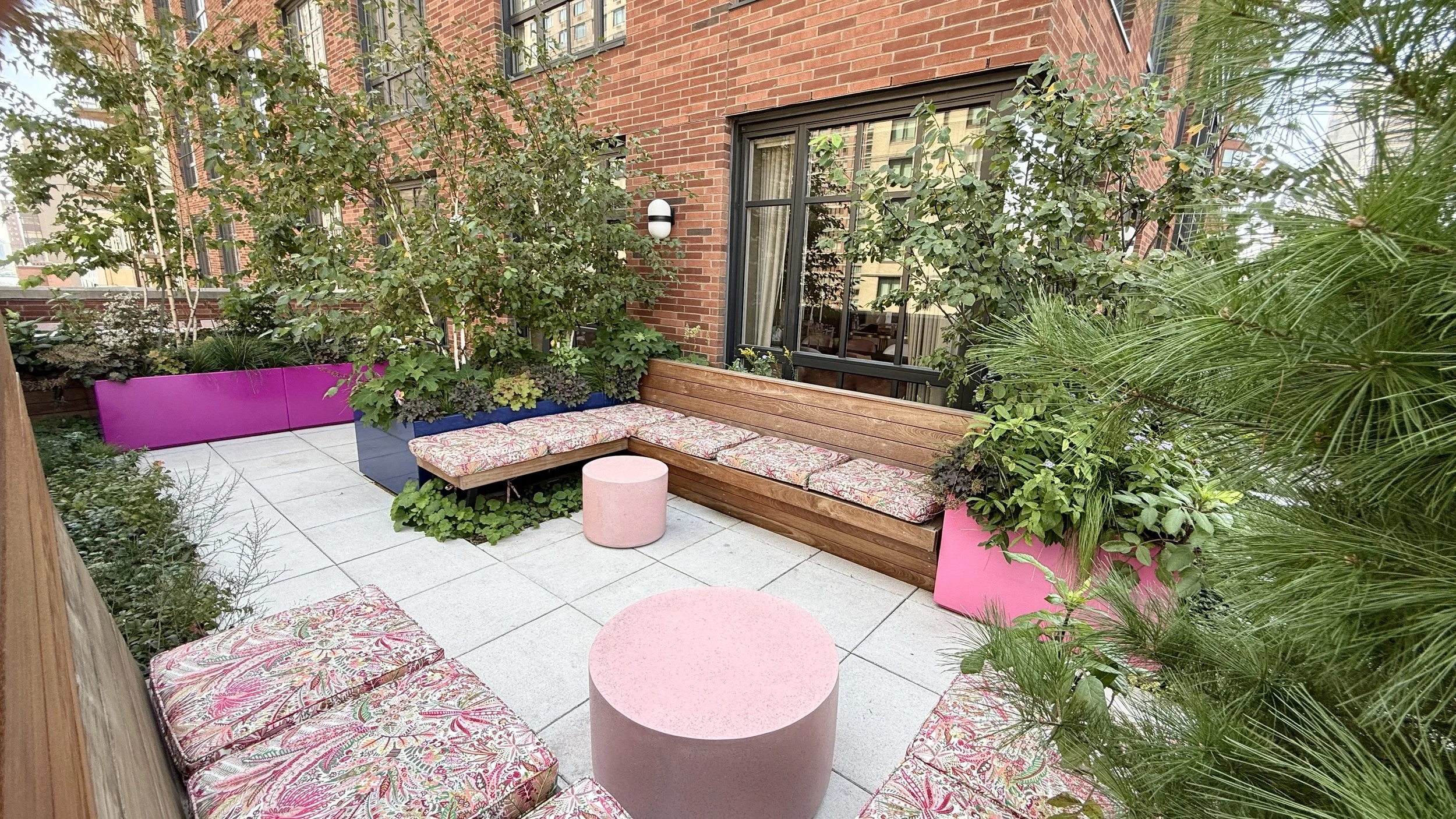
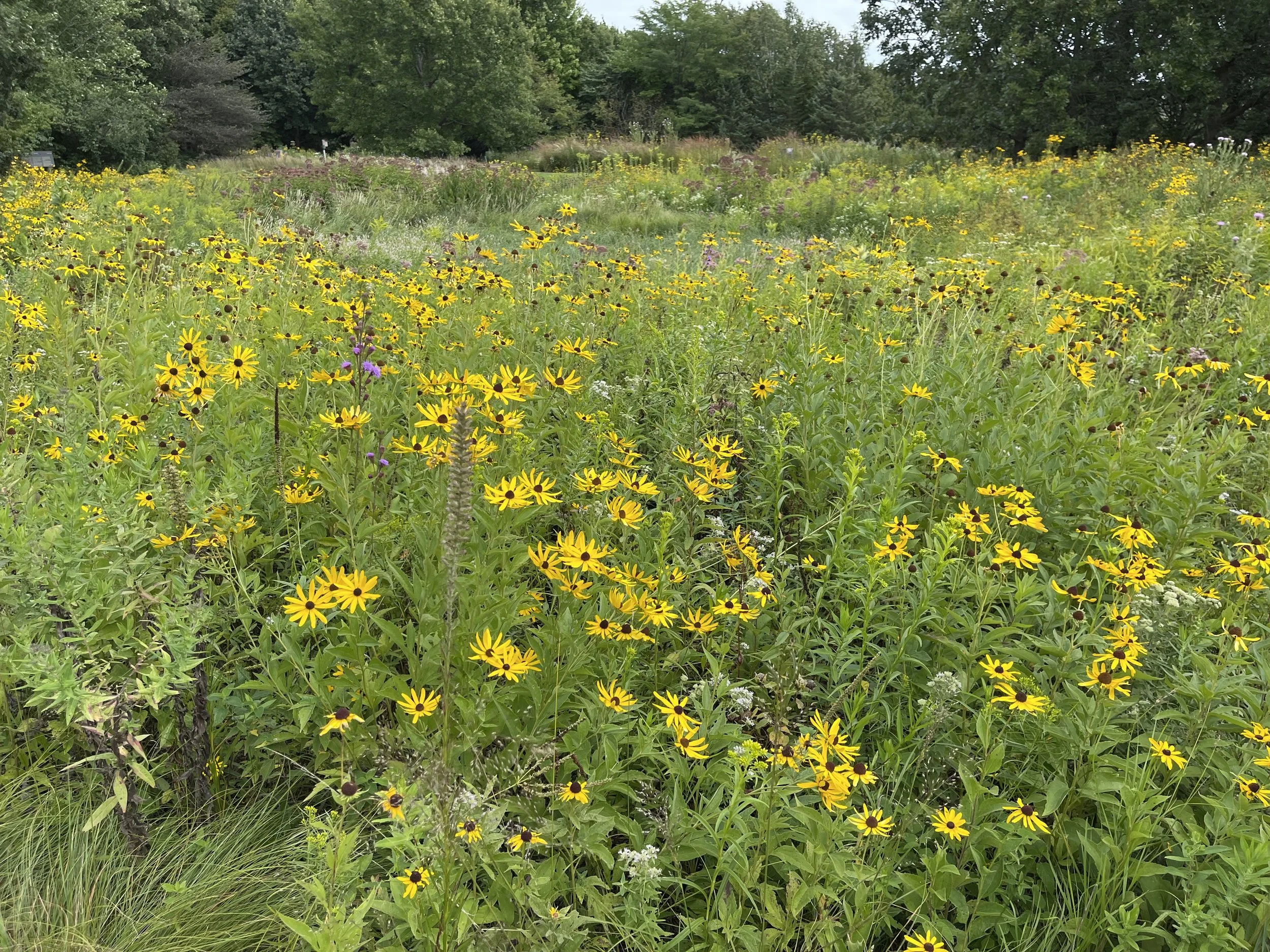

Maximize a small rooftop garden with simple layouts, perimeter planting, vertical greenery, multifunctional furniture, and clear circulation.
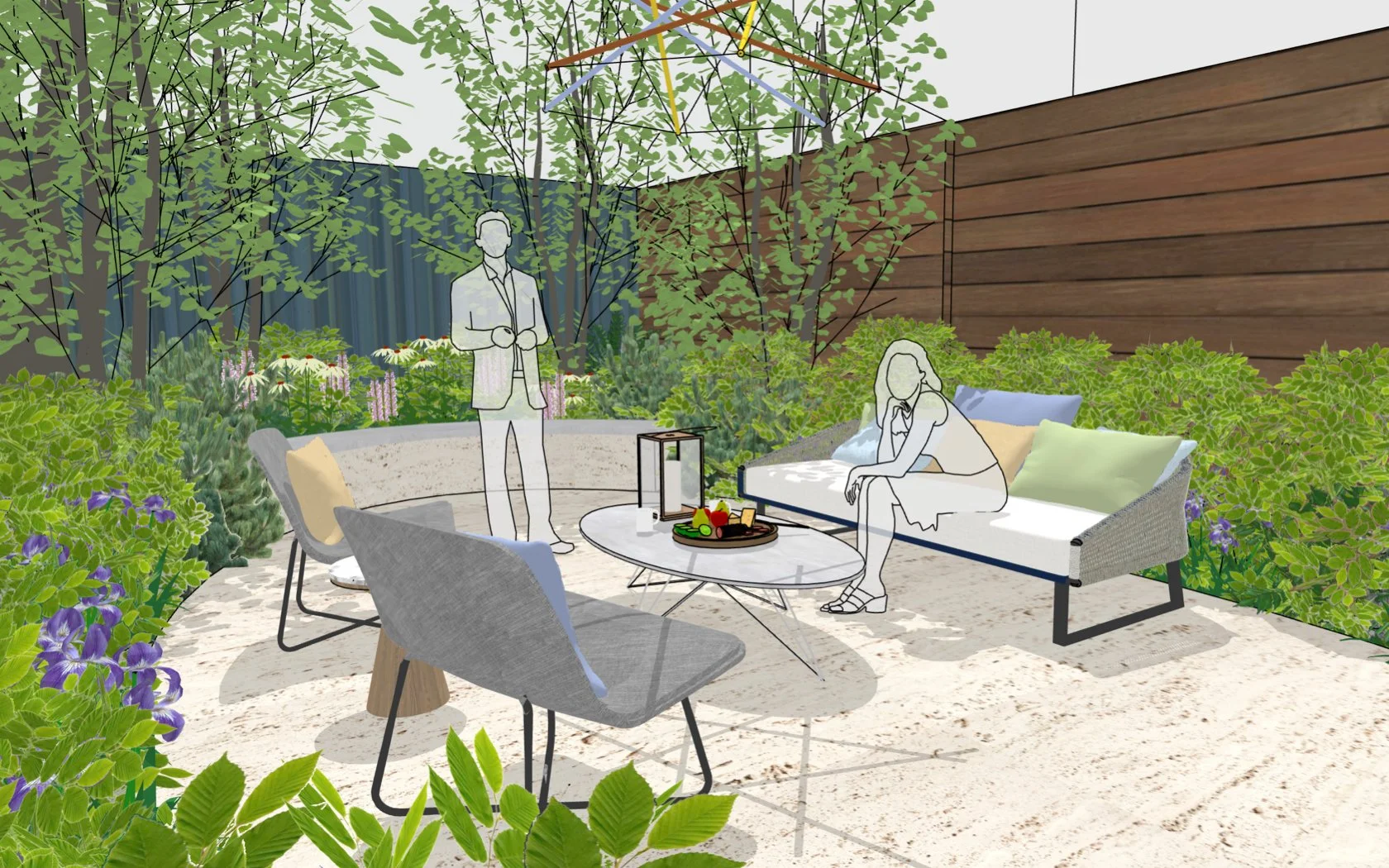
Read MoreA rooftop garden can turn an underused part of a building into a comfortable outdoor retreat. The best rooftop garden designs consider how the space will be used, sunlight, wind exposure, privacy, views, planting, seating, and practical requirements such as drainage and structural capacity.
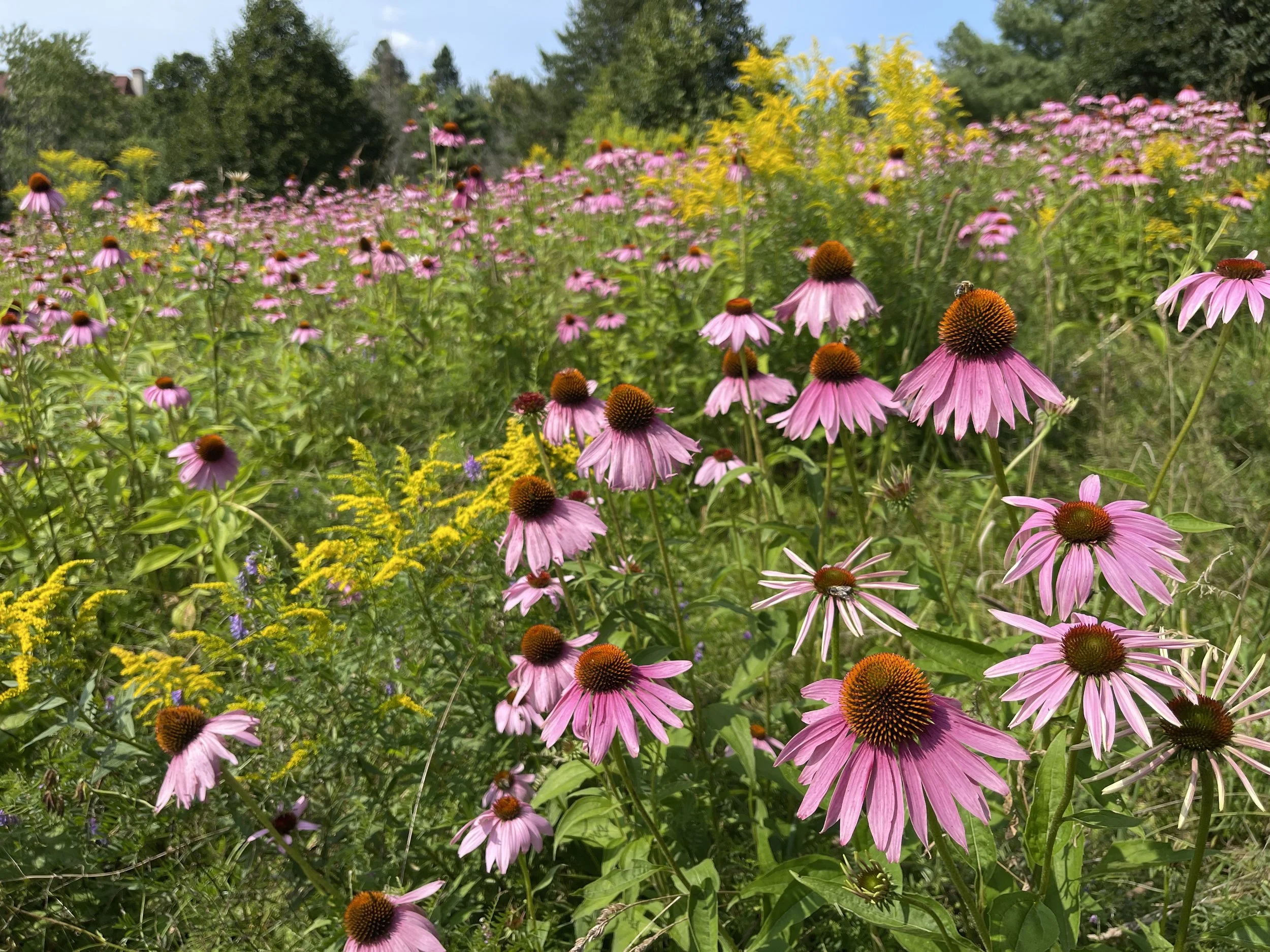
Read MoreNative plant species, adapted to regional climate conditions, are often better suited to the extreme exposure of rooftop environments. They typically require fewer inputs over time and provide essential resources for local pollinators and bird populations.
Read MoreA landscape is fundamentally different from architecture or interior design because it is alive. A stone wall remains largely as it was built. A chair does not change its character with the seasons. A plant, however, is continually growing, responding, adapting, flowering, going dormant, reproducing, and ultimately returning to the soil. Its presence is never entirely static.
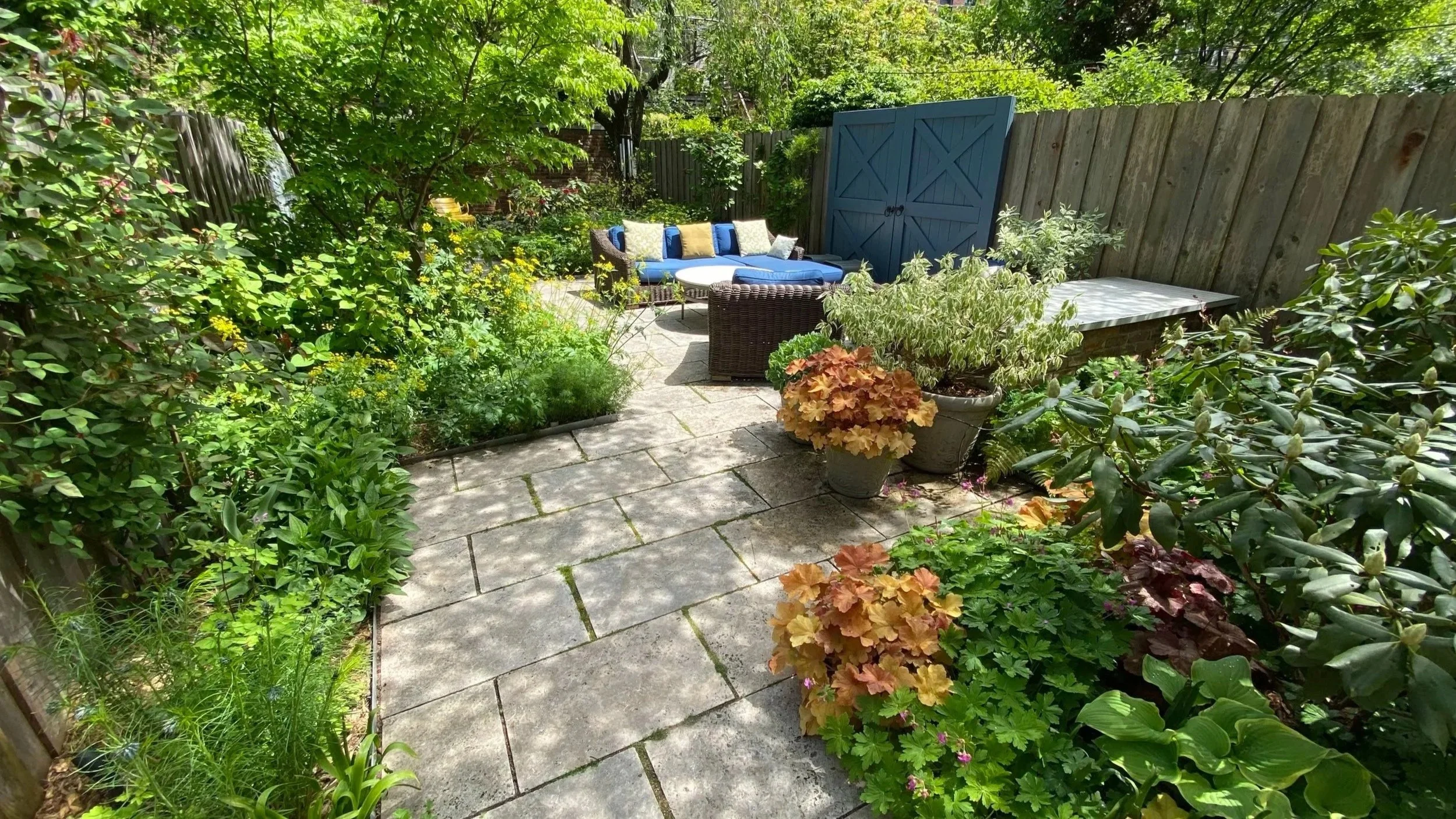
Read MoreThe most successful private outdoor spaces don't necessarily hide you from your surrounding neighbors and buildings . Instead, they carefully frame what you see and what others see of you.
Read MoreLike anything that is both curated and wonderful, having a garden will take maintenance. Being in a well maintained garden is experiencing, in real time, the direct relationship between effort and reward.
Read MoreChoosing between a landscape designer and a landscape architect depends on your project's goals. Learn how their education, expertise, and design approach differ—and which professional is the right fit for creating a beautiful, functional, and lasting outdoor space.
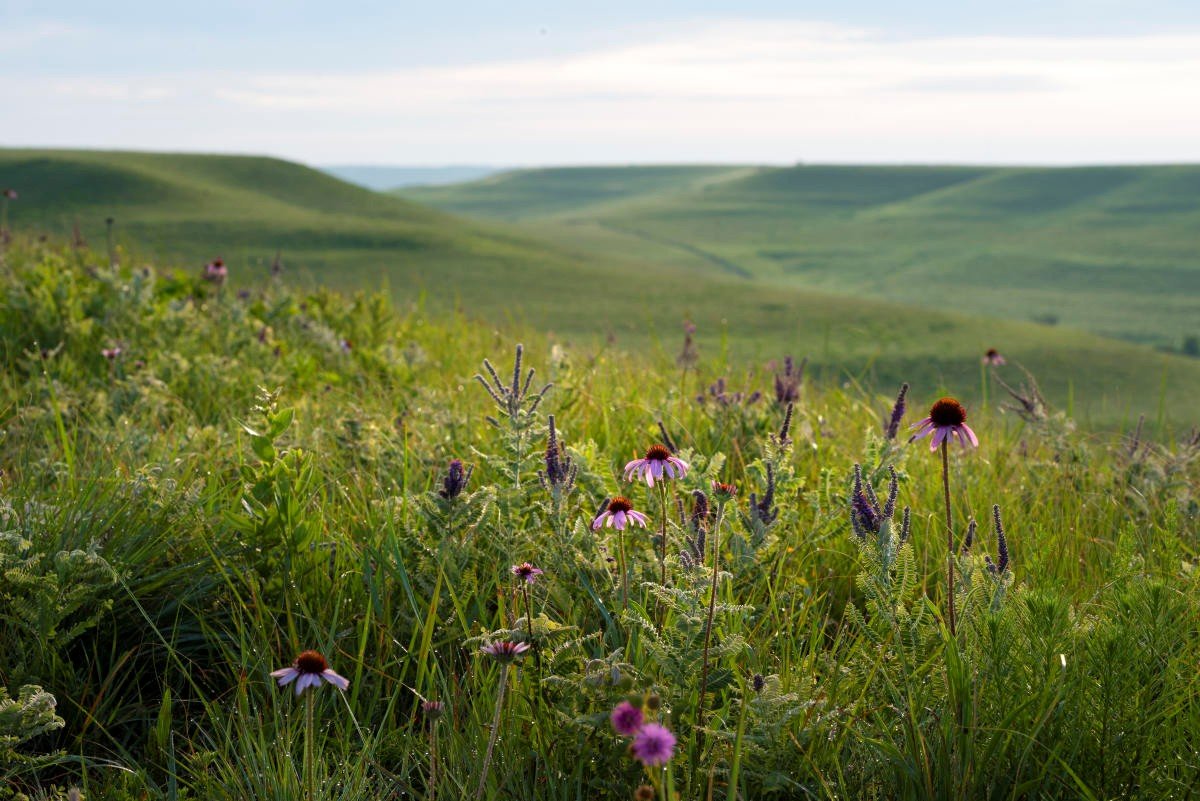
Read MoreExplore Konza Prairie in Kansas, where one of North America’s last tallgrass landscapes survives. A windswept world of biodiversity, deep history, and ecological resilience still endures.
Read MoreEcological planting design is a more intentional approach to landscaping, reducing maintenance by aligning with existing site conditions.
Ecological planting design offers a framework for creating landscapes that are resilient, self-supporting, and aligned with the conditions of a site. When plants are well-suited to their environment, they require less watering, less maintenance, are more resistant to pests, and grow at a manageable pace.
Read MorePhenotypic plasticity can be defined as the property of organisms to produce distinct phenotypes in response to environmental variation. It’s is the ability of an organism to change in response to stimuli or inputs from the environment.
